To clean football boots safely, remove the laces and insoles, brush off dry dirt, hand-clean the upper and soleplate with mild detergent and warm water, then air-dry at room temperature. Do not put performance boots in a washing machine or dryer, and keep them away from radiators and direct heat.
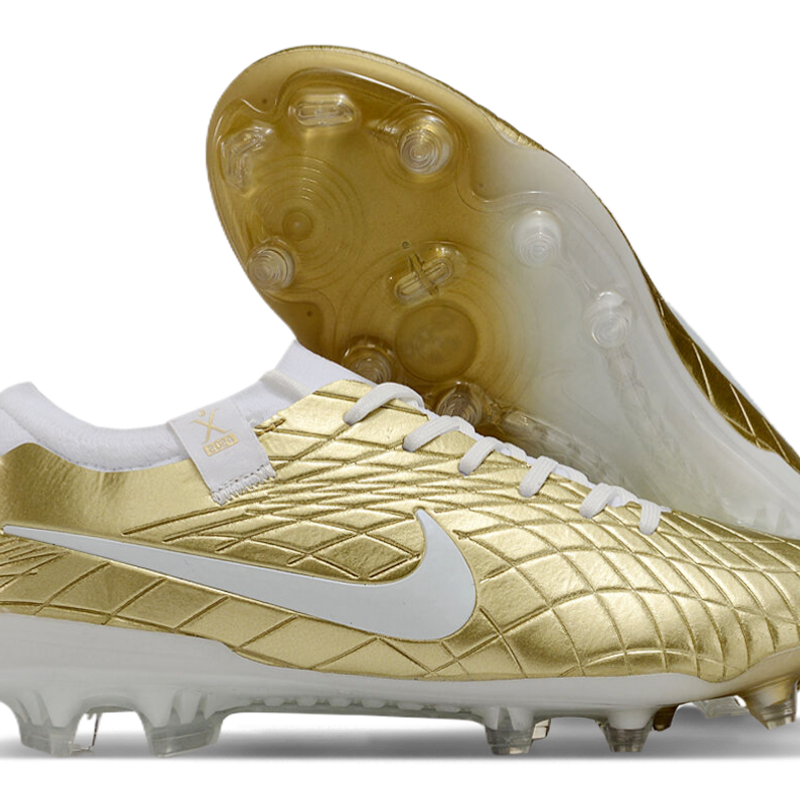
Seven-step method
- Remove loose mud outdoors.
- Take out laces and removable insoles.
- Dry-brush the upper and soleplate.
- Use a small amount of mild cleaning solution.
- Wipe away residue with a damp cloth.
- Stuff loosely with paper to hold shape.
- Air-dry away from heat and sunlight.
Nike’s official care guidance recommends hand-cleaning football boots with a mild solution and soft brush, then air-drying them. It specifically warns against washing machines and dryers. See Nike’s soccer cleat cleaning guide, updated in May 2026.
What you need
- A soft dry brush or old soft toothbrush.
- A bowl of warm—not hot—water.
- A small amount of mild laundry detergent or gentle soap.
- Two clean microfibre cloths.
- Plain absorbent paper for drying.
- A blunt wooden or plastic tool for compacted mud if needed.
Avoid wire brushes, bleach, strong solvent, abrasive pads and heavily fragranced household cleaners. Test any product on a small hidden area first, especially on special finishes or printed graphics.
How to clean football boots step by step
1. Let heavy mud become brushable
If the boots are soaked in thick mud, remove large clumps gently and let the surface become damp-to-dry rather than scrubbing wet grit into the upper. Do not leave mud on for days, particularly on leather-style materials.
2. Remove laces and insoles
Loosen and remove the laces so you can reach the tongue and eyelets. Take out removable insoles and wash them separately by hand. This also improves airflow during drying.
3. Dry-brush first
Brush the upper lightly, then work around the soleplate and studs. Hold AG boots sole-up and dislodge rubber crumb from flex grooves. For SG boots, inspect removable metal studs and clean around their threads without forcing grit into the sockets.
4. Mix a mild solution
Use warm water with only a small amount of detergent. Dip the brush or cloth, shake off excess liquid and work in small sections. Football boots should be cleaned, not soaked.
5. Clean upper and sole separately
Use gentle circular motions on the upper. Clean the soleplate more firmly with a separate brush, taking care near bonded edges. Wipe the boot with a clean damp cloth so detergent does not dry on the material.
6. Hand-wash laces and insoles
Massage laces in the mild solution, rinse and lay flat. Wipe insoles rather than saturating them. If odour remains, allow every component to dry fully before reassembly; masking dampness with fragrance can trap the underlying problem.
7. Air-dry naturally
Press a towel against the boots, then loosely fill them with plain paper. Replace damp paper once. Leave the boots in a ventilated room away from radiators, hair dryers, tumble dryers and strong sun. Refit dry laces and insoles only when the inside is fully dry.
Care by upper and surface
Synthetic and knit uppers
Use minimal water around bonded films and knitted collars. Do not pull aggressively on a wet collar. Thin speed-boot uppers need a soft brush because abrasive scrubbing can damage their finish.
Leather and leather-style uppers
Remove dirt promptly, avoid soaking and allow slow natural drying. Use only a conditioner that the manufacturer confirms is suitable for the exact material; modern coated or hybrid uppers may not react like traditional leather.
Artificial-ground boots
Rubber infill can remain around studs and plate grooves. Brush it out after each session and examine the plate for separation or abnormal wear. Never use a sharp metal blade that can score the soleplate.
Soft-ground boots
Clean around removable studs and check tightness when everything is dry. Replace damaged studs with the manufacturer’s compatible type. Soft-ground hardware does not belong on hard or artificial surfaces; review our FG, AG and SG guide.
What not to do
- Do not machine-wash or tumble-dry the boots.
- Do not use boiling water to clean or reshape them.
- Do not dry on a radiator or with a hair dryer.
- Do not soak boots in a full bucket.
- Do not use bleach on white or pink colourways.
- Do not scrape the upper or soleplate with a metal object.
- Do not store boots wet in a zipped bag.
Heat and aggressive cleaning can affect adhesives, coatings and shape. If a new pair feels overly tight, cleaning is not a solution; use the safe break-in guide and stop if the size is painful.
Frequently asked questions
Can football boots go in the washing machine?
No. Hand-cleaning is safer because machine agitation and prolonged saturation can damage materials, adhesives and shape.
How do I dry football boots quickly?
Remove laces and insoles, blot with a towel, add loose absorbent paper and use room-temperature airflow. Do not trade a few hours for heat damage.
How do I remove smell from football boots?
Clean removable insoles gently and let the entire boot dry fully after each use. Rotate pairs if you train daily and never seal damp boots in a bag.
Should I clean football boots after every match?
Remove surface dirt and let them dry after every use. A deeper hand-clean is needed when mud, infill or sweat residue accumulates.
Simple post-match routine
Brush, wipe, inspect and air-dry. That routine takes minutes and helps you notice sole separation, worn studs or damaged uppers before the next session. Use the correct firm-ground or artificial-ground category when replacement time comes.