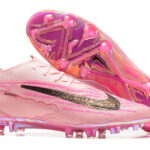
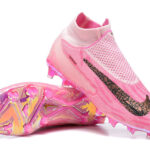
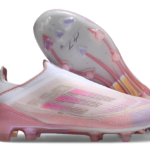
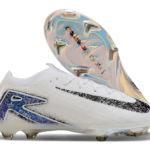
Choose adidas F50 if you want a lighter, thinner speed-boot sensation; choose adidas Predator if you want a more structured upper with prominent striking texture and a stable platform. adidas positions F50 Elite for acceleration, quick turns and fast dribbling, while Predator Elite targets accuracy and control. Fit, tier and the correct soleplate remain more important than either label.
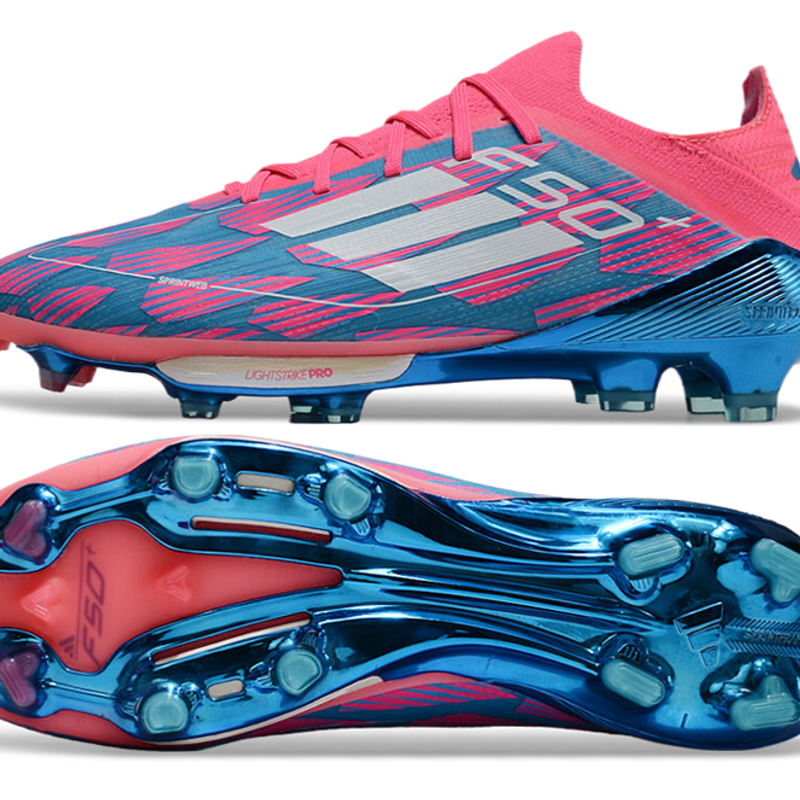
F50 vs Predator: quick verdict
- F50 Elite: Fibertouch upper, Compression Fit Tunnel Tongue, Sprintweb texture and Sprintframe 360.
- Predator Elite: HybridTouch upper, Strikeskin fins, PRIMEKNIT collar and Controlframe 2.0.
- Choose F50 for: a thin upper, rapid movement and close speed-boot feel.
- Choose Predator for: structured contact, adjustable striking feedback and stability.
- Do not decide by position alone: either family can be worn anywhere if fit and surface are correct.
adidas F50 vs Predator comparison table
| Feature | adidas F50 Elite | adidas Predator Elite |
|---|---|---|
| Primary design direction | Speed and lightweight movement | Accuracy, control and structured contact |
| Upper | Thin Fibertouch | HybridTouch coated textile |
| Ball-contact technology | Sprintweb 3D texture | Strikeskin rubber fins |
| Fit system | Compression Fit Tunnel Tongue | PRIMEKNIT collar; closure varies |
| Firm-ground plate | Sprintframe 360 | Controlframe 2.0 |
| Typical feel | Light, close and direct | Structured, textured and stable |
| Best starting point for | Players who value acceleration and quick turns | Players who value striking feedback and controlled contact |
This table compares current Elite design descriptions. Pro, League and Club versions can use different materials, tongues and outsoles, so compare the complete product name rather than assuming every F50 or Predator has the flagship specification.
What is the main difference between F50 and Predator?
The main difference is how each boot approaches ball contact and movement. F50 reduces bulk and uses a thin upper to keep the foot feeling close to the ball during acceleration. Predator adds more structure and rubberised texture to create a noticeable contact surface for passes and shots.
Neither direction is universally better. A player who dislikes padding may prefer F50, while a player who wants tactile feedback may prefer Predator. If both fit correctly, the amount of upper structure you want is the clearest tie-breaker.
Which boot feels faster?
F50 is the clearer speed-boot choice because adidas explicitly engineers the family for acceleration, quick turns and fast dribbling. The Elite model combines Fibertouch with Sprintframe 360 and a lockdown-focused tongue. A light sensation can reduce distraction, but no football boot guarantees a measurable increase in running speed.
Predator can still support explosive players. Real Madrid’s official 2026 release distinguishes F50 as the motion-oriented option and Predator as the control-oriented option, but professional squads use both across several positions.
Which boot offers more grip and striking texture?
Predator offers the more prominent striking texture through Strikeskin rubber fins. HybridTouch provides a coated, structured base beneath those contact elements. F50 uses Sprintweb texture, but its overall upper is thinner and less built-up.
Texture changes sensation rather than replacing technique. Accurate passing and shooting depend on body position, timing and practice. Choose the upper that provides predictable feedback without feeling distracting.
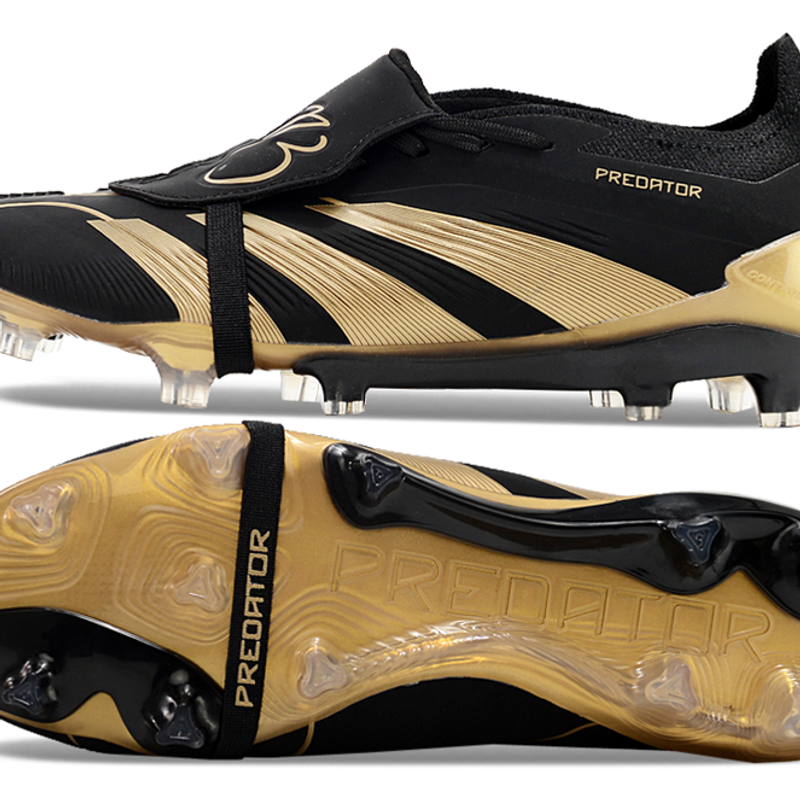
F50 vs Predator fit and closure
F50 generally starts with a close, speed-oriented wrap, while Predator gives shoppers more closure formats to compare. F50 Elite uses a tunnel tongue to support lockdown. Predator releases may appear laced, laceless or with a fold-over tongue, and each option distributes instep pressure differently.
Standard laces are the safest starting point for players who need adjustment. Laceless boots rely more on the opening and upper already matching the foot. A fold-over tongue adds coverage and visual identity, not guaranteed accuracy.
Which is better for wide feet?
Neither family should be labelled universally wide because fit changes by generation, tier, closure and individual foot shape. A thin F50 upper can expose pressure points if the forefoot is too narrow. Predator may feel more structured, and laceless versions can be less adjustable across a high instep.
Try both with match socks. Keep the pair only if the heel stays down, the toes remain flat and the forefoot feels secure without numbness or burning. Do not add excess length to solve width pressure; use our wide-foot football boot guide.
Which is better by playing style?
- Direct winger or runner: start with F50 for a lighter, closer sensation.
- Attacking midfielder: choose F50 for rapid turns or Predator for textured passing feedback.
- Striker: choose F50 for channel runs or Predator for structured striking contact.
- Defender: either works; prioritise fit, predictable traction and comfort.
- All-round player: test both and let upper feel decide after surface and fit.
Position is only a shortcut. Jude Bellingham is officially associated with Predator Elite, while Real Madrid’s January 2026 announcement placed several other players in F50. Professional preference does not determine the best retail fit for you.
Elite vs Pro, League and Club
Compare the same tier when judging F50 against Predator. Elite contains the headline materials discussed in adidas’ buying guide. Lower tiers may be more padded, heavier or built on different plates. They can still be better value for training and recreational play.
Write down the full model name before reading a review: family, generation, tier, closure and soleplate. “F50 Elite FG vs Predator Elite FG” is a fair comparison; “F50 Elite vs Predator Club” mixes the family question with a major construction and price difference.
Surface choice comes before model choice
Choose FG for appropriate firm natural grass, AG for artificial grass, SG for suitable soft natural grass and TF for short hard turf. A preferred F50 or Predator colourway is not a reason to buy the wrong plate. Use the football boot soleplate guide before selecting a retail version.
F50 vs Predator verdict
F50 is the better starting point for low weight, quick movement and direct touch; Predator is the better starting point for structured contact, striking texture and stability. If both are available in the correct tier and soleplate, choose the pair that locks the heel without painful pressure and provides the ball feel you can control consistently.
Browse an adidas F50 Elite retail example and an adidas Predator retail example. These shop products illustrate the families but may not reproduce every current flagship specification or player-issued detail.
Return to the football boot brand and model comparison guide, or compare Nike Mercurial vs adidas F50 and Nike Phantom vs adidas Predator.
Frequently asked questions
Is adidas F50 better than Predator?
F50 is better suited to shoppers who want a thin, lightweight speed-boot feel. Predator is better suited to shoppers who want more structure and striking texture. Fit and surface determine whether either is actually suitable.
Is F50 lighter than Predator?
F50 is adidas’ weight- and speed-focused family, but exact weight varies by size, tier and soleplate. Compare the published specification of the exact two products.
Does Predator help you shoot harder?
Predator’s Strikeskin fins change contact texture, but the boot does not guarantee more power or accuracy. Technique, timing and fit remain decisive.
Can defenders wear F50?
Yes. Football boots are not position-locked. A defender can wear F50 if the fit, soleplate and close-contact sensation suit their game.
Official sources and review method
This comparison was reviewed on July 28, 2026 using the official adidas soccer cleat buying guide and Real Madrid’s official 2026 Predator and F50 announcement. Cleats Store has not claimed laboratory testing; buyer recommendations are interpretations of verified construction, fit and surface requirements.