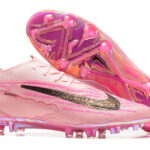
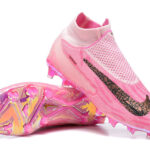
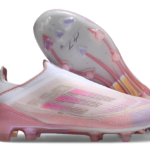
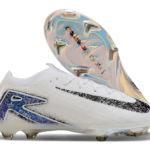
The best football boots for a long-pile 3G or newer artificial-grass pitch are dedicated AG boots or a multi-ground model explicitly approved by the manufacturer and venue. Choose TF shoes instead when the surface is short, hard and carpet-like. “4G” is not a FIFA quality category, so identify the pitch construction rather than buying from the nickname alone.
Quick recommendation
- Long-pile artificial grass with infill: start with AG.
- Natural and artificial schedule: consider a model specifically labelled MG or another approved combination.
- Short carpet turf: start with TF rubber-lug shoes.
- Unknown “4G” pitch: ask the operator for the approved footwear list.
- Metal studs: never assume they are allowed on an artificial pitch.
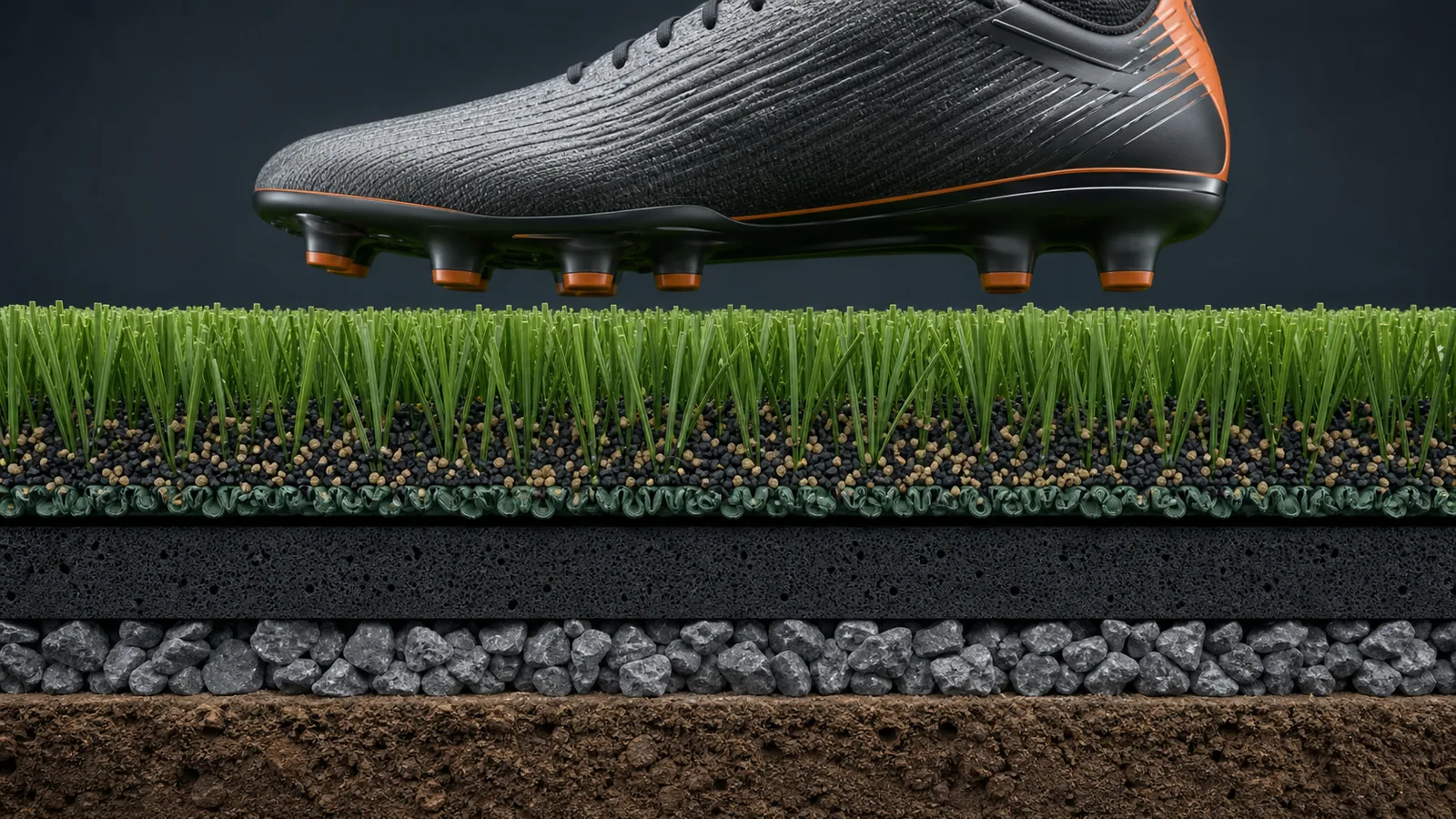
What is a 3G artificial football pitch?
FIFA describes third-generation, or 3G, artificial turf as a synthetic system that includes both sand and rubber infill. The longer fibres and infill are designed to behave more like a football surface than early unfilled or sand-only systems. FIFA quality marks apply only after laboratory and field testing for playing performance, safety, durability and quality assurance.
A 3G label does not tell you every detail of fibre length, infill depth, maintenance or base hardness. That is why facilities publish their own footwear rules even when two pitches are casually described with the same term.
What does “4G football pitch” mean?
“4G” is an informal or commercial description rather than a FIFA football-turf quality mark. It is often used for newer synthetic systems, sometimes without performance infill, but usage is inconsistent. FIFA currently identifies FIFA BASIC, FIFA QUALITY and FIFA QUALITY PRO standards, not a “FIFA 4G” category.
For footwear, ask whether the surface is long-pile synthetic grass, a non-infill system or a short hard turf. Then follow the operator’s approved list. The construction is more useful than the generation label.
AG vs MG vs TF for artificial grass
| Outsole | Best use | Why players choose it | Main limitation |
|---|---|---|---|
| AG | Regular play on modern long-pile artificial grass | Purpose-built stud layout for synthetic football turf | Not intended for every short turf or soft natural pitch |
| MG | Listed natural and artificial surfaces | One manufacturer-approved option for a mixed schedule | Approved surface range varies by model |
| TF | Short, hard, carpet-style synthetic turf | Many rubber lugs and broad ground contact | Less penetration on long-pile or soft surfaces |
| FG | Firm natural grass | Strong traction on its intended grass condition | Use on artificial grass only with explicit model and venue approval |
Open the AG vs TF comparison if your venue uses only the word “turf.” Read Can You Wear FG Boots on Artificial Grass? before relying on a grass plate.
What makes a good artificial-grass football boot?
A good artificial-grass boot combines an approved soleplate with secure heel hold, comfortable forefoot volume and an upper that suits the player. The outsole is the non-negotiable part; model family and materials are secondary.
1. Surface approval
The product page, box or outsole should identify AG, MG or another combined artificial-surface designation. Visual similarity is not evidence of approval.
2. Distributed stud contact
AG plates commonly use a larger number of shorter studs than aggressive FG designs. Compare the complete pattern and product guidance rather than counting studs to invent your own rule.
3. Secure fit
The heel should stay down and the midfoot should feel held during cuts. Toes should lie naturally without numbness. Use the football boot fit guide before wearing a new pair outdoors.
4. Suitable cushioning and insole feel
Artificial pitch bases can feel firmer than natural soil. Underfoot comfort is therefore a useful comparison point, but do not use a soft insole to compensate for an unapproved outsole.
5. Replaceable, inspectable condition
Look for worn studs, cracked plates and sole separation. Nike’s current fit and selection guide lists worn studs and outsole separation among replacement indicators.
Which boot family is best for 3G or 4G?
There is no universal best boot family for artificial grass; choose an AG or approved MG version that matches your foot shape. A Mercurial AG may suit a player who likes a close, contoured fit, while Phantom or Tiempo AG versions can be better starting points for a more natural fit. Adidas F50 and Predator options solve different fit and closure preferences when sold with the appropriate outsole.
Do not buy the FG version simply because the upper and colour are identical. A model name can be sold on several different soleplates, and the outsole changes the intended surface.
Best options by player need
| Player need | What to prioritise | Avoid |
|---|---|---|
| Narrow or close fit | Contoured upper with a dedicated AG plate | Sizing down into toe pressure |
| Wide forefoot | Natural shape, adjustable lacing and AG/MG approval | Adding excessive length to gain width |
| Mixed grass/artificial use | Explicit multi-ground approval or separate pairs | Assuming every FG boot is multi-ground |
| Hard short turf | TF outsole with many rubber lugs | Long studs that cannot enter the surface |
| Frequent training | Comfort, secure fit and outsole durability checks | Choosing only by lowest listed weight |
Can football boots cause more grip than you want?
An outsole can feel too aggressive when it engages a firm artificial surface but does not release comfortably during rotation. The response should be to verify surface approval and change to an appropriate plate, not to modify, grind or remove studs. Any discomfort, instability or unusual resistance during turns is a reason to stop and reassess.
Artificial-grass buying checklist
- Ask the venue whether the pitch is long-pile, short turf or another synthetic system.
- Request the approved and prohibited footwear list.
- Choose AG for regular long-pile use or an explicitly approved MG model for a mixed schedule.
- Use TF for short carpet-style turf when the operator recommends it.
- Confirm fit indoors with match socks.
- Inspect studs and sole separation before each session.
- Keep a record of the product’s stated surface designation.
Frequently asked questions
Are AG boots best for 3G?
Dedicated AG boots are the clearest starting choice for most long-pile 3G artificial-grass pitches, provided the venue permits the stud layout. An approved MG model can also work when the product guidance covers that surface.
Can you wear TF shoes on 3G?
TF shoes may not penetrate a long-pile 3G pitch as intended, although some facilities allow them. Follow the operator’s footwear list; TF is principally designed for shorter, harder turf.
Can you wear AG boots on 4G?
Possibly, but “4G” does not define one FIFA-certified construction. Ask the facility what system it uses and whether AG studs are approved.
Can you wear metal studs on artificial grass?
Do not assume so. Many facilities prohibit metal studs, and IFAB requires equipment not to be dangerous. The venue and competition rules decide.
Should you buy a separate pair for artificial grass?
A separate AG pair is sensible for frequent artificial-grass play. Occasional multi-surface players can consider a manufacturer-approved MG model if it covers both pitches they actually use.
Sources and next step
Reviewed July 27, 2026 using the FIFA Quality Programme for Football Turf, FIFA’s turf and pitch design guidance, the adidas surface guide and Nike’s 2026 fit guide. Continue with the complete soleplate guide, then browse artificial-ground football boots.