Spain are the 2026 FIFA World Cup champions after beating Argentina 1-0 in extra time and completing one of the most controlled tournament runs in modern history. La Roja won seven of eight matches, conceded only one goal, kept seven clean sheets and added a second men’s World Cup to the trophy they lifted in 2010.
Spain’s road to the 2026 World Cup title
Spain’s campaign was built on consistency rather than chaos. They did not concede in the group stage, handled four European opponents in the knockout rounds, and then prevented Argentina from recording a shot on target in the final.
| Stage | Opponent | Result |
|---|---|---|
| Group stage | Cabo Verde | 0-0 |
| Group stage | Saudi Arabia | Won 4-0 |
| Group stage | Uruguay | Won 1-0 |
| Round of 32 | Austria | Won 3-0 |
| Round of 16 | Portugal | Won 1-0 |
| Quarter-final | Belgium | Won 2-1 |
| Semi-final | France | Won 2-0 |
| Final | Argentina | Won 1-0 after extra time |
Across those eight matches, Spain scored 14 goals and allowed just one. Belgium were the only team to find a way past Unai Simón. That balance — enough attacking quality to win in different ways and a defensive structure that almost never broke — is the clearest explanation for the title.
Six reasons Spain won the 2026 World Cup
1. The best defensive record in the tournament
Spain conceded once in 720 minutes of tournament football, plus the additional extra time played in the final. Their seven clean sheets were not produced by sitting deep for entire matches. The first line of defence was often the press: Spain tried to win the ball back immediately and stop opponents before they could attack the back four.
When teams escaped that pressure, the centre-backs defended open space with confidence and Simón supplied calm behind them. His run of 650 consecutive World Cup minutes without conceding, which ended against Belgium, set a tournament record according to FIFA.
2. Midfield control without sterile possession
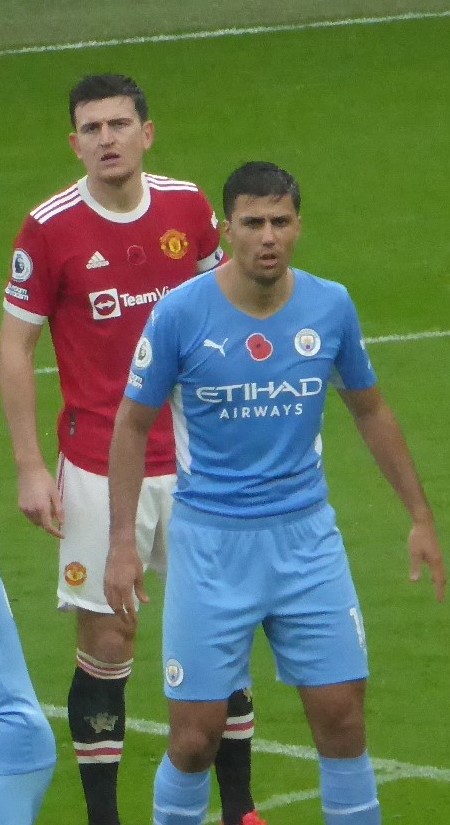
Spain have always valued the ball, but the 2026 side used possession with greater vertical intent. Midfielders offered safe passing angles while looking forward whenever a winger or full-back created space. That allowed Spain to slow matches down when necessary and accelerate them without abandoning structure.
The final against Argentina was the purest example. Spain finished with a 20-2 advantage in total shots and 12-0 in shots on target. They controlled territory, limited transitions and continued creating until Ferran Torres finally scored in the 106th minute.
3. Lamine Yamal and Nico Williams supplied fearless width
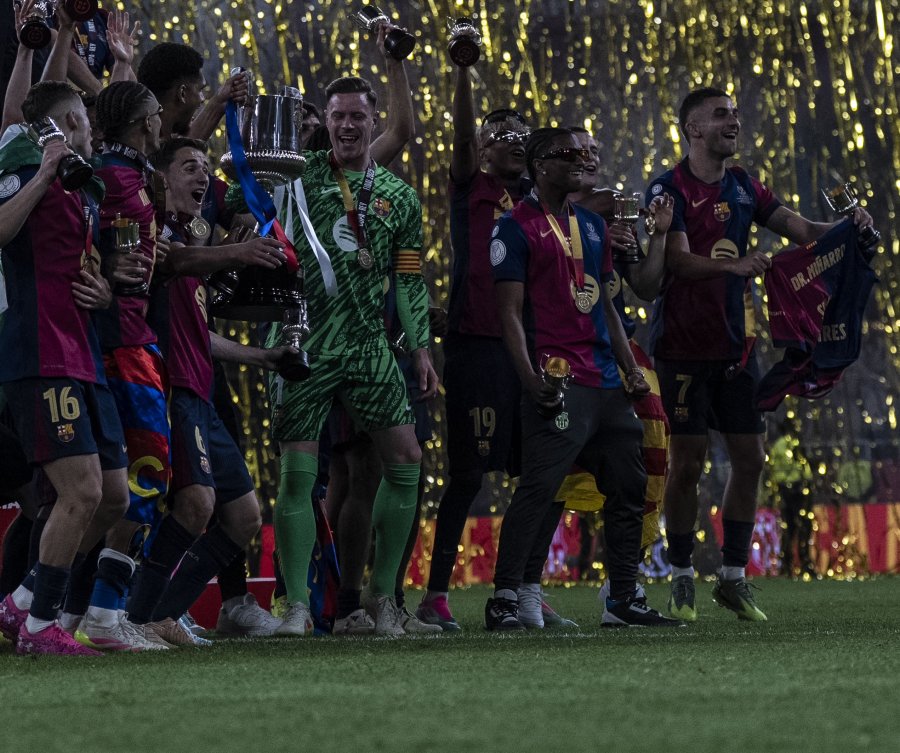
Yamal and Williams gave Spain a threat that opponents could not ignore. Both could receive near the touchline, beat a defender and move into scoring or crossing positions. Their width stretched compact blocks, creating central gaps for teammates and space for overlapping full-backs.
Yamal’s age made his role even more remarkable. He and defender Pau Cubarsí were both 19 in the final, becoming the fourth and fifth teenagers to play in a men’s World Cup final — and both became champions. Spain’s future did not merely sit on the bench; it shaped the tournament.
4. Full-backs added another attacking layer
Spain’s full-backs supported the press, created overloads and arrived high enough to influence decisive moments. Pedro Porro scored in the semi-final against France, then delivered the cross that began the title-winning move against Argentina. Those contributions made it harder for opponents to focus only on the wingers.
5. Squad depth changed knockout matches
A long World Cup tests more than a preferred starting lineup. Mikel Merino supplied important late interventions during the campaign, while Torres came from the bench to score the final’s only goal. Spain could alter the pace or attacking profile of a match without losing their collective identity.
6. They stayed composed in close games
Three of Spain’s knockout wins were decided by a single goal. Rather than forcing low-percentage plays, they trusted their spacing, kept the ball moving and waited for better openings. That patience mattered most in the final, where Martínez’s saves could easily have frustrated a less mature side.
The records and milestones behind the triumph
- Second men’s World Cup title: Spain added 2026 to their 2010 victory.
- One goal conceded: La Roja established a new benchmark for a World Cup-winning defence, even in an expanded eight-match campaign.
- Seven clean sheets: every match except the 2-1 quarter-final against Belgium ended without Spain conceding.
- 38 matches unbeaten: FIFA reported a 37-match unbeaten run before the final; the victory over Argentina extended it by one.
- European and world champions: Spain followed the Euro 2024 trophy with the 2026 World Cup.
- Teenage champions: Yamal and Cubarsí joined a very short list of teenagers to play and win a men’s World Cup final.
Spain 2010 vs Spain 2026
The parallels are irresistible. Spain won both finals 1-0 after extra time. Andrés Iniesta scored against the Netherlands in 2010; Torres scored against Argentina in 2026. Both champions combined technical midfield play with an extraordinary defensive record.
The differences matter too. The 2010 side’s identity centred on a historic midfield core and sustained positional control. The 2026 champions retained that technical security but added more direct one-against-one play through Yamal and Williams, higher pressing and greater attacking input from the full-backs. It felt less like a copy of 2010 and more like the next evolution of Spain’s football culture.
A rare Euro-to-World Cup double
Winning a continental championship and then the World Cup requires a team to stay ahead while every rival studies it. Spain achieved that sequence with Euro 2024 and the 2026 World Cup, joining a small group of national teams to convert European dominance into a global title.
The achievement also shows why this title should not be reduced to one brilliant final or one emerging star. Spain arrived with an established identity, refreshed the squad without weakening it and improved the defensive details that decide knockout football.
The 106th-minute moment that sealed it
The campaign ended with a goal that contained many of Spain’s best qualities: Porro advancing from full-back, Williams contributing from the wing and a substitute finishing decisively. For a minute-by-minute explanation, key statistics and the Fernández red card, read our Spain vs Argentina World Cup final recap.
Championship style: the boots behind modern speed
Spain’s wide players made acceleration, traction and close control central to the tournament. Our guide to 2026 World Cup boot trends explains the speed-boot styles seen during the knockout rounds. Before choosing a pair, use the FG vs AG vs SG guide to match the soleplate to your playing surface, or shop all football boots.
Frequently asked questions
Did Spain win the 2026 World Cup?
Yes. Spain beat Argentina 1-0 after extra time in the final on July 19, 2026.
How many goals did Spain concede at the 2026 World Cup?
Spain conceded one goal in eight matches. Belgium scored it during Spain’s 2-1 quarter-final victory.
Who scored Spain’s winning goal in the final?
Ferran Torres scored in the 106th minute after coming on as a substitute.
When did Spain last win the World Cup?
Before 2026, Spain’s previous men’s World Cup title came in 2010, when they beat the Netherlands 1-0 after extra time.
Who did Spain beat on the way to the 2026 title?
Spain beat Saudi Arabia and Uruguay in the group stage, then Austria, Portugal, Belgium, France and Argentina in the knockout rounds. They also drew with Cabo Verde.
Sources: FIFA’s official reports on Spain’s route to the final, the semi-final against France, the final report, and the analysis of European champions at the World Cup. Details were checked on July 21, 2026.