Most players should not automatically size up in football boots. Start with your measured regular size, wear match socks and assess the exact model. Consider half a size up only when the toes are compressed, the boot is genuinely short or the manufacturer gives model-specific advice. Do not add length merely to solve width pressure.
Should you size up? Quick answer
- Start true to measured size for most modern football boots.
- Consider half a size up if the longest toe hits the front or the official model guidance recommends it.
- Do not size up for width alone: excess length can create heel lift and sliding.
- Do not expect painful boots to stretch: a break-in period should not involve numbness or curled toes.
- Try both feet: size for the larger foot and use the socks worn in play.
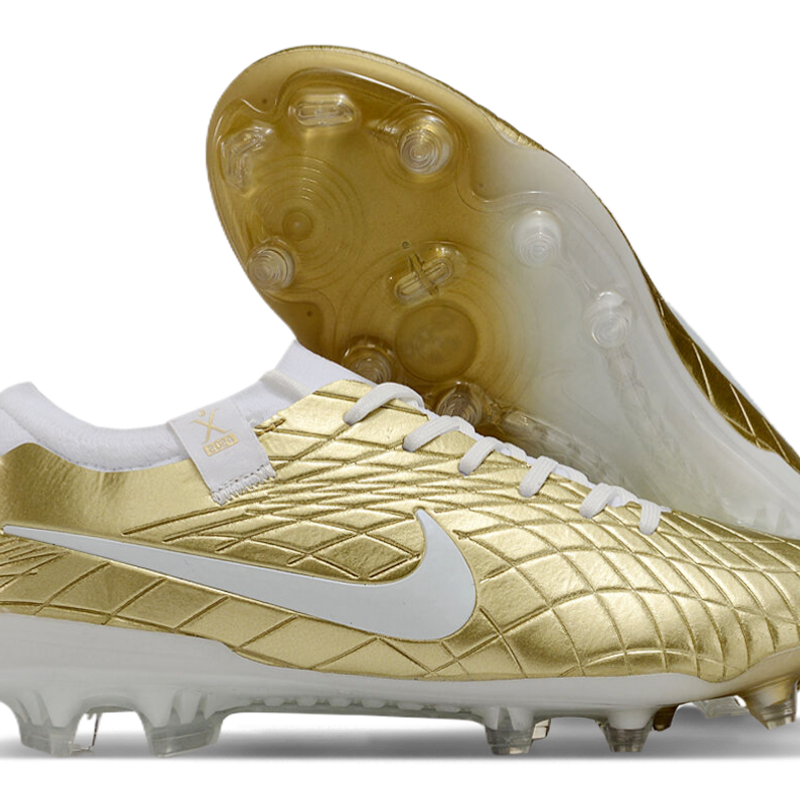
Should football boots be your normal shoe size?
Your normal athletic-shoe size is a starting point, not a guarantee. Nike’s May 2026 fit guide says its football boots generally fit true to regular shoe size and that recreational players usually do not need to size down. Brand conversion and model shape still vary, so measure both feet and check the exact chart.
Casual trainers may be worn with more empty space than football boots. That does not mean everyone needs a smaller boot; it means the fit test must examine heel hold, toe position and forefoot pressure rather than the printed number alone.
When should you size up in football boots?
- The longest toe touches or strikes the end while standing and stopping.
- The toes cannot lie flat even though width and heel shape otherwise feel suitable.
- The brand’s current guidance for the exact model recommends increasing size for your foot shape.
- Match socks, an orthotic or a replacement insole requires slightly more internal length and volume.
- Two adjacent sizes have been tested indoors and the larger one still holds the heel securely.
Half a size is normally the first comparison, not a full-size jump. A larger boot should still prevent forward sliding during a controlled stop.
When should you not size up?
Do not size up solely because the forefoot feels narrow or the instep feels compressed. More length moves the widest part of the boot away from the widest part of the foot and can create heel lift. A different model shape or adjustable laced version is usually the better solution.
Nike currently describes Mercurial as contoured and narrow, while Phantom and Tiempo have a more natural fit. Wider-footed players may compare a half size in Mercurial, but they should also compare a naturally shaped family rather than forcing one model. See the wide-foot football boot guide.
How much toe room should football boots have?
There should be enough room for the toes to lie naturally without repeated contact at the end, but not enough for the foot to slide. One universal measurement cannot account for toe shape, upper construction and playing preference. Heel security and natural toe position are more reliable than chasing an exact gap.
Pressing the upper from outside is only a rough check. Stand, walk, rise onto the forefoot and make a controlled lateral step indoors. Pay attention to the big-toe joint, little-toe side and heel.
Do football boots stretch?
Football boots may soften, but buyers should not rely on major length stretch. Natural leather, synthetic leather, knit and thin synthetic uppers behave differently. Modern synthetic boots are often designed for a usable out-of-box fit.
A slight reduction in stiffness is normal. Numbness, burning, sharp pressure or curled toes are not acceptable break-in requirements. Use the safe football boot break-in plan.
Should children size up for growth?
Children can have a slightly roomier fit, but several sizes of growth allowance creates avoidable sliding. Re-measure regularly and replace boots as the foot grows. A secure mid-tier pair in the current size is more useful than an oversized premium pair intended to last years.
Ask the child specific questions about toe contact and side pressure, then watch for heel movement. Do not rely only on “they feel fine.”
How to compare two sizes at home
- Measure both feet later in the day and record heel-to-longest-toe length.
- Use the official brand chart and compare regional sizes carefully.
- Wear match socks and any normal insole or orthotic.
- Loosen laces completely and seat the heel before tightening.
- Test the smaller size for toe position, then the larger size for heel movement.
- Keep the pair that is secure without pain; keep soles clean until the decision is final.
Use the EU, UK and US size converter as a reference, but confirm the manufacturer chart because conversions are not perfectly uniform.
Verdict
Start true to your measured size and size up only when the exact boot is genuinely too short or official guidance supports the change. Do not buy extra length to fix width. If half a size up removes toe pressure without creating heel slip, it can be appropriate; if the foot slides, change model shape instead.
Read How Should Football Boots Fit? for the complete heel, midfoot and toe checklist, then use the football boots buying guide to choose surface and tier.
Frequently asked questions
Should football boots feel tight at first?
They should feel close and secure, not painful. Mild material stiffness can soften, but numb toes, sharp side pressure and curled toes indicate the wrong size or shape.
Should you size down for better touch?
Most recreational players do not need to size down. A smaller label does not guarantee better touch and is inappropriate when it distorts toe position or causes pressure.
Can wide feet size up in football boots?
A half-size comparison can be useful, but extra length is not a reliable width solution. Compare a wider or more naturally shaped model and use laces for adjustment.
What if one foot is larger?
Choose the size that safely accommodates the larger foot, then use lacing and an appropriate insole to improve hold on the smaller side if necessary.
Source note
Reviewed on August 11, 2026 using Nike’s updated official football boot fit guide. Fit advice is general and does not replace medical assessment for persistent pain or foot conditions.